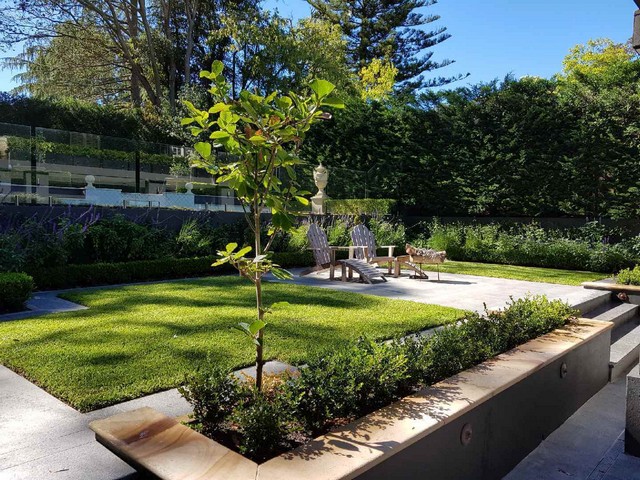
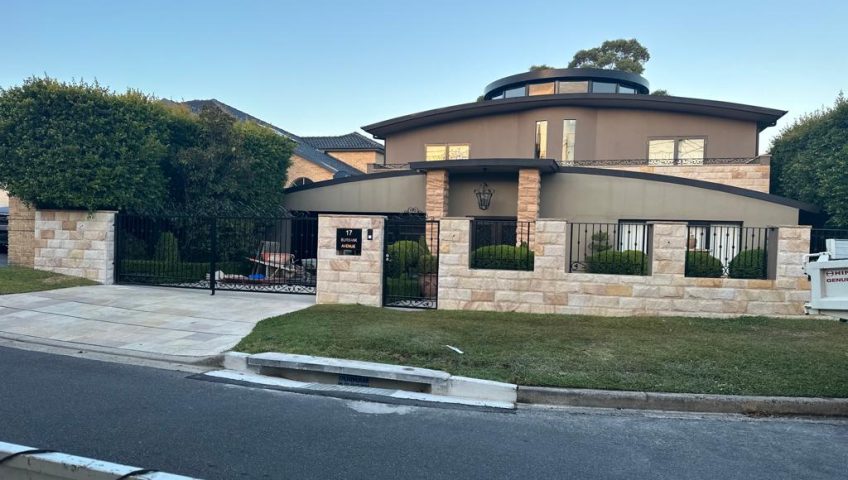
Let’s be honest for a second. Somewhere in your backyard right now, there’s a patch of “lawn” that’s really just dirt wearing a green filter, a garden bed that’s 80% weeds and 20% ambition, and a paved area that hasn’t seen a broom since the Sydney Olympics. You’re not alone. Half of Sydney is living next to an outdoor space that looks less “resort living” and more “abandoned mini-golf course.”
Here’s the thing, though — Sydney’s climate, its light, its indoor-outdoor lifestyle, all of it is basically begging you to have a backyard worth using. We don’t get four proper seasons of misery like other parts of the world; we get sunshine most of the year and a genuine reason to be outside. So why are so many backyards sitting there doing absolutely nothing?
That’s where professional landscaping earns its keep. Not the “mow, blow and go” kind. The kind that actually looks at your block, your soil, your sun angles, your budget, and your daydreams, and turns it into something you’d actually want to invite people over to see. This is what we do at SK Landscape, and in this guide we’re going to walk you through exactly how proper landscaping transforms an outdoor space — the process, the payoff, and why doing it right the first time saves you a world of pain (and cash) later.
Mow-and-Go vs. a Real Transformation: What’s the Difference?
There’s a big gap between “someone came and tidied the edges” and genuine landscape transformation, and most homeowners don’t realise how wide it is until they’ve lived through both.
A basic gardening service keeps things from getting worse. A proper landscaping company Sydney homeowners actually trust looks at the whole picture — drainage, soil health, sun exposure, how your family actually uses the space, and where your money’s best spent — and builds a plan around it. It’s the difference between putting a bandaid on a leaky pipe and calling a plumber to fix the actual problem.
When you bring in experienced landscapers rather than someone with a mower and a Facebook Marketplace ad, you’re paying for the years of trial and error already baked into the process. They’ve already learned which retaining wall will slump after the first big Sydney downpour and which won’t. You just get the “won’t” version.
What Professional Landscaping Actually Involves
“Landscaping” gets thrown around like it just means planting a few natives and calling it a day. In reality, a proper job covers a lot more ground (pun very much intended):
- Design and planning — working out the layout, flow, and function of the space before a single shovel goes in the ground
- Softscaping — turf, garden beds, plant selection, mulching, and irrigation
- Hardscaping — paving, decking, retaining walls, steps, edging, and outdoor structures
- Drainage and site prep — the unglamorous but absolutely critical bit that stops your new garden turning into a swamp by winter
- Lighting and finishing touches — the stuff that makes a space usable after 6pm, not just for the two hours of golden light Instagram loves
A team offering genuinely complete landscaping solutions handles all of this under one roof, so you’re not juggling five different tradies who all blame each other when something goes sideways. That’s the whole point of hiring a proper crew rather than piecing it together yourself.
Why Sydney Backyards Need a Local Touch
Here’s something a lot of homeowners learn the hard way: what works in a landscaping magazine shot in Melbourne or Byron Bay doesn’t automatically work on your block in Parramatta or the Hills District.
Sydney’s clay-heavy soils in the west, sandy pockets closer to the coast, and everything in between mean plant selection and drainage design need to actually suit the ground you’re standing on. Add in our habit of swinging from drought to downpour within the same fortnight, and you’ve got a genuine case for local knowledge over generic advice.
Professional landscapers Sydney-wide who’ve worked across different suburbs know which native and exotic plant combinations thrive without turning into a maintenance nightmare, which retaining wall materials handle our storms, and how to design gardens that don’t collapse the first time we get one of those “one in fifty years” weather events that seem to happen every eighteen months.
Signs Your Backyard Is Begging for a Glow-Up
Not sure if your outdoor space is due for an overhaul or just a light tidy? A few tell-tale signs:
- Water pools near the house after rain instead of draining away
- Your “lawn” is more moss, clover, and bare patches than actual grass
- You’ve got a dead zone nobody uses because it’s either too hot, too shaded, or too ugly
- The garden looks fine from the street but falls apart the moment you walk into it
- You’ve mentally started apologising to guests before they even see the backyard
If two or more of those hit close to home, it’s less a weekend DIY job and more a project for a proper crew.
The SK Landscape Process (No Surprises, No Guesswork)
We’ve found the projects that go smoothly — and stay looking good years later — follow a fairly consistent process. Here’s roughly how it plays out:
- Site visit and consultation — we walk the block with you, talk through how you actually want to use the space, and flag anything tricky early (slopes, drainage, tree roots, the usual suspects)
- Design and quote — you get a clear plan and pricing before anything’s locked in, so there’s no “surprise” invoice halfway through
- Site prep — clearing, levelling, and sorting drainage so the foundations of the job are solid, literally
- Hardscaping first — paving, retaining walls, decking, and structures go in before the greenery, since it’s much easier to build around plants than plant around a half-finished retaining wall
- Softscaping and planting — turf, garden beds, and planting selected for your specific soil and sun conditions
- Final walkthrough — we go through the finished space together, make sure it matches what was agreed, and answer any maintenance questions
It’s a straightforward sequence, but skipping steps (or hiring someone who does) is exactly how backyards end up with cracked pavers, dying plants, and drainage issues within twelve months.
Is It Actually Worth the Money?
Short answer: usually, yes — and not just for the Instagram photos.
Well-executed garden landscaping Sydney buyers actually notice adds genuine value to a property. Real estate agents will tell you a functional, low-maintenance outdoor living space is one of the few renovations that pays for itself at sale time, because buyers can picture themselves using it immediately rather than mentally budgeting for a rebuild.
Beyond resale, there’s the day-to-day return: a backyard you actually use is a backyard that earns its keep every single weekend, not just when you’re trying to sell. Weigh that against the cost of a DIY job that needs redoing in three years, and professional landscaping starts looking less like an expense and more like an investment with a decent yield.
Low-Maintenance Doesn’t Mean Boring
A common myth: “low maintenance” landscaping means a boring square of synthetic turf and a couple of sad succulents. Not even close.
Good design leans on smart plant selection (natives and hardy exotics that actually suit your soil and sun), efficient irrigation, mulching that keeps weeds down and moisture in, and layouts that don’t require you to spend every Saturday wrestling a whipper snipper. You can absolutely have a lush, layered garden that only needs a genuine tidy-up a few times a year — it just needs to be designed that way from the start, not left to chance.
DIY vs. Hiring the Pros: A Reality Check
Look, there’s nothing wrong with a bit of weekend DIY — plenty of homeowners genuinely enjoy getting their hands dirty, and small maintenance jobs are a fair go for most people. But there’s a real difference between mulching a garden bed on a Sunday and re-grading drainage, building a retaining wall, or laying paving that needs to handle Sydney’s clay soil and heavy rain without shifting.
The classic DIY trap is underestimating what’s underground — drainage, soil compaction, tree roots, and services like pipes and cables. Get that wrong and the pretty bit on top doesn’t matter; you’ll be redoing the whole thing within a couple of years, at a higher cost than if you’d called in landscaping services Sydney professionals from the start.
If you’re weighing it up, browse a few real project write-ups and ideas over on our blog — it’s a good way to get a feel for what’s realistic for a DIY weekend versus what genuinely needs a crew.
Ready to Actually Use Your Backyard Again?
If your outdoor space has been more “storage for things you don’t want to deal with” than “place you actually relax,” it might be time for a proper conversation about what’s possible. Whether it’s a full backyard landscaping Sydney overhaul or a smaller upgrade to fix drainage and freshen up the garden beds, getting the right team involved from the start makes all the difference.
Feel free to get in touch with our team for a chat about your block, your budget, and what a realistic plan looks like. No pressure, no jargon — just an honest look at what your backyard could actually become.
FAQs
How long does a full landscaping project usually take in Sydney? It depends heavily on scope, but a mid-sized backyard transformation involving hardscaping (paving, retaining walls) plus planting typically runs anywhere from two to six weeks once work starts on site. Weather is the biggest wildcard — a wet run of weeks can push timelines out, especially for concrete curing and turf establishment. A good landscaper will give you a realistic window upfront rather than an overly optimistic one just to win the job.
Do I need council approval for landscaping work? Often not for standard garden beds, turf, and low-level paving, but retaining walls over a certain height, structures like pergolas, or work near easements and drainage lines can trigger local council requirements. It varies by council area, so it’s worth asking your landscaper early — a decent company will flag this during the design stage rather than leaving you to find out the hard way.
What’s the difference between landscape design and landscape construction? Design is the planning phase — working out the layout, materials, plant selection, and how the space will function. Construction is the actual build — the paving, planting, and structural work. Some companies only offer one or the other, which is why it’s worth confirming you’re getting complete landscaping solutions under one team rather than needing to coordinate a separate designer and builder yourself.
Can landscaping actually fix a drainage problem, or do I need a separate drainage contractor? In most residential cases, drainage issues are solved as part of the landscaping process itself — regrading the site, adding subsurface drainage, and choosing permeable surfaces where it makes sense. It’s genuinely one of the most important (and least glamorous) parts of the job. If a quote doesn’t mention drainage at all, that’s worth asking about before you sign anything.
Is artificial turf a better option than real grass for Sydney gardens? It depends on the space and how it’s used. Artificial turf can make sense for shaded areas where real grass struggles, high-traffic zones, or households wanting to cut water use and mowing time right down. That said, real turf and garden beds generally do more for soil health, temperature, and that “actual garden” feel. A good landscaper will usually recommend a mix rather than going all-in on one or the other.
How much should I budget for professional landscaping in Sydney? Costs vary a lot depending on the size of the space, the amount of hardscaping involved (paving and retaining walls cost more than turf and planting), and site conditions like slope and access. Rather than guessing off national averages, the most reliable approach is a proper site visit and itemised quote — that way you know exactly what you’re paying for and where the budget is actually going.