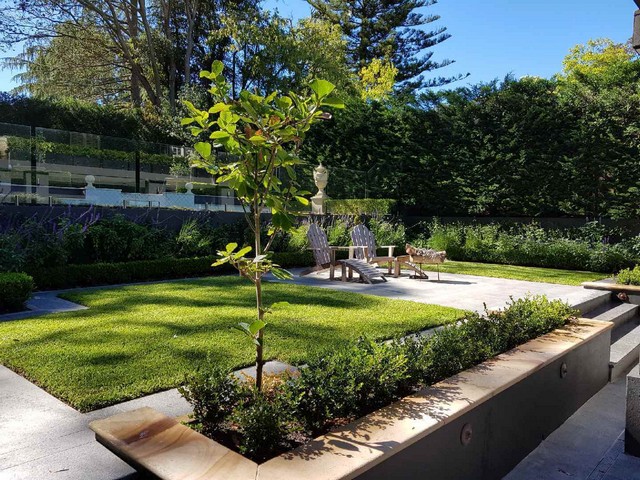

Let’s be honest for a second. Somewhere between “I’ll mow the lawn this weekend” and three months later, most of us have looked out the back window and thought, “How did it get like this?” The hedge looks like it’s auditioning for a horror film. The lawn has more bindii than grass. And that garden bed you planted with big dreams in spring? Currently hosting a very confident colony of weeds.
If that sounds familiar, you’re not lazy, and you’re not alone. Sydney’s climate is genuinely tricky to garden in — one week it’s baking hot and bone dry, the next it’s humid enough to grow mould on your outdoor furniture. Add in clay-heavy soil in the western suburbs, sandy soil near the coast, and council water restrictions that pop up whenever they feel like it, and you’ve basically got a part-time job on your hands just to keep things alive.
This is exactly why so many Sydneysiders are quietly outsourcing the hard yakka to a landscaping company in Sydney instead of white-knuckling it through another exhausting Saturday. And that’s what this guide is really about: how professional garden maintenance and landscaping actually works, what it should cost you in time and money, and how to tell a genuinely good service from someone who just owns a whipper snipper and a Facebook page.
What “Professional Garden Maintenance” Actually Means
A lot of people hear “garden maintenance” and picture someone turning up once to mow the lawn. That’s not really it. Proper garden maintenance in Sydney is an ongoing relationship between your property and a team who actually understands plants, soil, seasons, and how they all interact in your specific pocket of the city.
A decent maintenance program usually covers:
- Regular lawn mowing, edging and turf health checks
- Pruning and hedge trimming to keep shape and encourage healthy new growth
- Weeding (the never-ending battle) and garden bed tidy-ups
- Fertilising and soil conditioning suited to your specific plants
- Mulching to lock in moisture and cut down on weeds
- Seasonal planting and clean-ups before storms, heatwaves or frost
None of that is glamorous, but it’s the difference between a garden that looks “fine” and one that actually makes your street jealous. The team at SK Landscape builds every maintenance plan around what your specific garden needs — not a generic checklist copied and pasted for every job on the list that day.
Landscaping vs. Garden Maintenance — What’s the Difference?
Here’s where people get genuinely confused, and fair enough, because the two overlap constantly.
Landscaping is the big-picture stuff — the design, the construction, the transformation. Think retaining walls, new garden beds, turf installation, paving, irrigation systems, outdoor living areas, and general “let’s completely rethink this backyard” projects. It’s the part where you go from a blank (or messy) canvas to an actual designed space.
Garden maintenance is what keeps that design — or your existing garden — looking sharp long after the initial work is done. It’s the ongoing care that stops a beautiful new landscape from slowly reverting back to jungle mode within twelve months.
The smartest approach, and the one most experienced Sydney homeowners land on eventually, is using one provider for both. When your garden landscaping in Sydney and your ongoing maintenance are handled by the same crew, there’s no finger-pointing over “that’s not our job” and no guesswork about how the space was originally designed to function. You can browse the full range of what’s on offer over on the services page, from full landscape builds through to weekly and fortnightly upkeep.
The Real Cost of Going It Alone
Quick reality checks on DIY gardening, because it always sounds cheaper than it actually is.
There’s the cost of tools — a decent mower, hedge trimmer, edger and blower will set you back a fair bit before you’ve even started. There’s the cost of trial and error, which usually shows up as dead plants because nobody warned you that particular hydrangea hates full western sun. There’s the physical cost — sore backs, sunburn, and the mystery bruise you can’t explain. And then there’s the one nobody talks about: the cost of your actual weekend, gone, spent wrestling a lawn instead of doing literally anything else.
Professional garden services in Sydney exists precisely to hand that time back to you. You’re not paying for someone to mow grass. You’re paying to get your Saturday morning back, to stop guessing which fertiliser won’t burn your lawn, and to have a garden that looks intentional rather than “we’re getting to it eventually.”
Signs Your Garden Is Trying to Tell You Something
If any of these hit a little too close to home, it might be time to call in reinforcements:
- Your lawn has more weeds than actual grass at this point
- Hedges and shrubs are shapeless, overgrown, or blocking windows
- Garden beds look patchy, bare, or completely overtaken by weeds
- You’ve killed the same plant three times in a row (we’ve all been there)
- Water pools in weird spots after rain, hinting at drainage issues
- You’re spending your weekends maintaining instead of enjoying your outdoor space
- The garden hasn’t been touched since a tradie left tools and offcuts behind after a reno
None of these are dealbreakers. They’re just signals that a professional set of eyes — and hands — would sort things out faster and better than another round of guesswork.
How SK Landscape Actually Approaches a Sydney Backyard
Here’s roughly how it plays out when a proper landscaping company in Sydney takes on your property, rather than just rocking up and winging it.
- A real consultation, not a quick guess. Someone actually walks your property, checks soil type, drainage, sun exposure, existing plant health, and asks what you actually want from the space — low-maintenance and simple, or a bit of a showpiece.
- A tailored plan, not a template. Your block in Parramatta doesn’t behave like a block in Manly. Soil, wind, salt exposure and sun angles are all different, so the plan should reflect that instead of a one-size-fits-all approach copied from the last job.
- The actual work. Whether it’s a full landscape build, turf renewal, garden bed redesign, or straightforward lawn care services, this is where the transformation happens — ideally with minimal mess and disruption to your daily life.
- Ongoing maintenance scheduling. This is the bit people underestimate. A garden isn’t a one-and-done project; it’s a living thing that needs regular check-ins — weekly, fortnightly or monthly, depending on the property and season.
- Seasonal adjustments. Sydney summers demand different care to Sydney winters. A good maintenance provider adjusts watering, fertilising and pruning schedules accordingly instead of running the same routine year-round.
If you want a look at how these principles play out in real Sydney gardens, there are plenty of practical tips and project breakdowns on the SK Landscape blog worth flicking through.
Sustainable, Eco-Conscious Gardening (Because the Planet’s Watching)
Sustainability isn’t just a buzzword tacked onto a brochure anymore — it’s genuinely become part of how good landscaping gets done. Composting and mulching return organic matter to the soil instead of sending it to landfill. Smart irrigation systems reduce water waste, which matters a lot in a city that regularly flirts with water restrictions. Native and drought-tolerant plant selections mean less watering, less stress, and a garden that’s actually built for the local climate instead of fighting it every summer.
A well-run professional garden services provider in Sydney should be able to talk you through these options without upselling you on things your garden doesn’t need. Sometimes the most sustainable choice is simply choosing the right plant for the right spot the first time.
Residential, Strata, and Commercial — Different Gardens, Same Standard
Not every job is a suburban backyard. Strata properties need consistent, scheduled care across shared gardens, driveways and common areas — often with body corporate reporting requirements thrown in. Commercial properties need gardens that reflect well on the business, tidy and presentable without drama. Residential clients usually just want to come home to a garden that looks after itself between visits.
The underlying standard shouldn’t change based on the postcode or the property type — it’s still about healthy plants, tidy presentation, and a team that turns up when they say they will.
Choosing the Right Garden Team for Your Property
A few genuinely useful questions to ask before signing on with anyone:
- Do they offer both landscaping and ongoing maintenance or just one?
- Can they explain their approach to your specific soil and sun conditions, or is it a generic pitch?
- Do they have runs on the board with properties similar to yours?
- Is pricing transparent, or full of vague “depends on the job” answers?
- Are they insured and using proper equipment, not just enthusiasm?
If a provider ticks those boxes, you’re generally in good hands. It’s a fairly quick conversation to have — and it’s the difference between a garden that thrives and one that just survives.
FAQs: The Questions Sydney Homeowners Actually Ask
How often should I book professional garden maintenance in Sydney? It genuinely depends on your garden’s size, plant types and how fast things grow in your specific microclimate. Fast-growing lawns and hedges in warmer months might need fortnightly attention, while a more established, low-maintenance garden could get by on a monthly visit. A decent provider will assess your property first rather than pushing a fixed schedule on everyone.
Is it worth combining landscaping and ongoing maintenance with the same company? Usually, yes. When the same team designs and later maintains your garden, they already understand the plant choices, soil prep and irrigation setup, so nothing gets missed or misdiagnosed by a new crew starting from scratch. It also tends to work out more cost-effective over time than juggling separate providers.
Can a landscaping company work with my existing garden, or does everything need to be ripped out and redesigned? Not at all — plenty of jobs are about working with what’s already there. Renovating tired garden beds, reviving an existing lawn, or adding new elements around established plants is very common. A full redesign is only necessary if that’s actually what you’re after.
What’s the difference between a one-off garden clean-up and ongoing maintenance? A clean-up is exactly what it sounds like — a single, thorough tidy-up to reset an overgrown or neglected garden. Ongoing maintenance is the regular follow-up care that stops it from sliding back into that state again. Many people start with a clean-up and then move onto a regular schedule once the garden’s back under control.
How does Sydney’s weather actually affect garden maintenance scheduling? More than most people expect. Hot, dry stretches mean closer attention to watering and mulching to stop plants stressing, while wetter periods bring faster weed and grass growth that needs more frequent mowing and pruning. Storm season also often calls for pre-emptive trimming of overhanging branches and weak growth.
Do I need council approval for landscaping work in Sydney? For most standard maintenance and planting work, no. Larger projects — think retaining walls over a certain height, tree removal, or significant changes near heritage-listed areas — can require council approval depending on your local government area. A reputable landscaping team should be able to flag when that’s relevant to your job.
The Bottom Line
A beautiful garden shouldn’t cost you every weekend for the rest of your life. With the right approach — proper planning, seasonal awareness, and a team who actually knows Sydney soil and climate — it’s entirely possible to have a garden people compliment without becoming a part-time gardener yourself.
If your backyard’s currently sitting somewhere between “needs a bit of love” and “send help,” it might be time for a chat. You can get in touch with the team for a straightforward conversation about what your garden actually needs — no jargon, no pressure, just an honest plan for getting it looking its best again.