
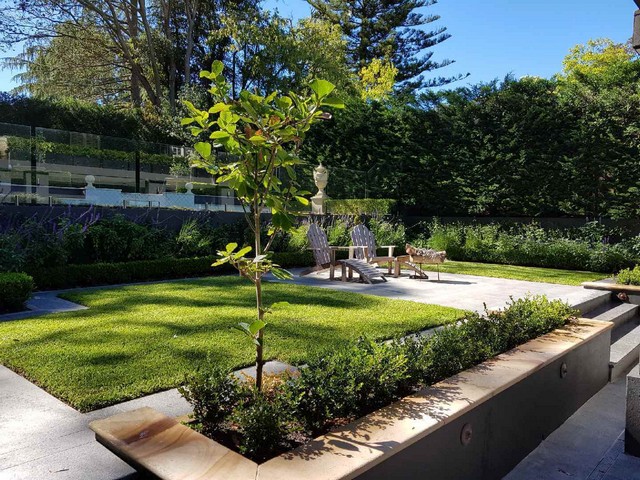
Let’s be honest with each other for a second. You know that feeling when you walk out the back door on a Saturday morning, coffee in hand, ready to enjoy the sunshine — and instead you’re greeted by a lawn that looks like it’s auditioning for a wildlife documentary and a hedge that’s decided it wants to be a tree? Yeah. We know that feeling too. Every single Sydney summer, thousands of backyards quietly stage a coup against their owners, and by the time anyone notices, the buffalo grass has gone feral and the agapanthus is plotting world domination.
Here’s the thing though — it’s not really your fault. Sydney is a genuinely tricky place to keep a garden looking sharp. Between the humidity, the sudden downpours, the clay soil in some pockets of the North Shore, sandy soil elsewhere, and a growing season that barely takes a breather, this city asks a lot of its gardens. Add in work, kids, weekends that vanish before you’ve even had brunch, and it’s no wonder “I’ll get to the garden next weekend” has become the great Australian lie.
This is exactly why garden landscaping Sydney homeowners actually trust tends to come down to a handful of local, hands-on outfits who understand the climate, the soil, and the way Sydney blocks are laid out — not a generic national franchise reading off a script. We’re going to walk you through what proper landscaping and maintenance actually involves, why it matters more than most people think, how a professional crew tackles it, and what you should genuinely expect to get for your money. No fluff, no jargon, just the straight goods — with a bit of Aussie cheek thrown in, because gardening should never be this serious.
Why Your Garden Deserves More Than a “She’ll be Right” Attitude
There’s a common myth floating around that a garden is just decoration — something nice to look at while you’re flipping snags on the barbie. In reality, your garden is doing quiet, unglamorous work all year round. It manages stormwater runoff (crucial when Sydney decides to dump a month’s rain in an afternoon), it keeps your soil from eroding down the driveway, it cools your house in summer, and — let’s not kid ourselves — it’s a massive chunk of your street appeal and property value.
Real estate agents will tell you the same thing every single time: a tidy, well-designed outdoor space can be the difference between a buyer walking through the front gate excited, or driving straight past. A scrappy, overgrown yard says “neglect.” A well-planned one says “this place has been loved.” That’s not opinion, that’s kerb appeal economics.
And this is where the difference between landscaping and maintenance starts to matter, because a lot of homeowners lump them together and end up disappointed either way.
- Landscaping is the big-picture stuff — the design, the construction, the retaining walls, paving, turfing, decking, and irrigation. It’s the bones of your outdoor space.
- Maintenance is what keep those bones looking good — the mowing, pruning, weeding, and general upkeep that stops your freshly landscaped yard from slowly reverting back into the jungle it once was.
You genuinely need both. A gorgeous new garden with zero maintenance plan is just an expensive head start for the weeds. And regular maintenance on a poorly designed garden is like polishing a car with a flat tyre — it’ll look alright from a distance, but the fundamentals aren’t there.
If you want a proper look at how these pieces fit together, the team at SK Landscapes have been sorting exactly this puzzle out for homeowners across Sydney’s North Shore for years now, blending both sides so nothing gets left half-finished.
What Actually Goes Into Proper Garden Landscaping (It’s More Than Just Planting a Few Shrubs)
A lot of people picture “landscaping” as someone rocking up with a trailer of plants and popping them in the ground. Genuine landscape construction is a different beast entirely, and it usually rolls out in a fairly logical order:
- The site assessment. Before anyone touches a shovel, a good crew walks the property, checks drainage, soil type, sun exposure, and existing structures. Sydney’s terrain isn’t uniform — a block in Turramurra behaves very differently to one in Mona Vale — so this step actually matters, not just box-ticking.
- Design and planning. This is where retaining walls, paving layouts, driveways, and planting zones get mapped out. It’s also where a lot of DIY projects quietly fall apart, because what looks fine on paper can turn into a drainage disaster once the first big storm hits.
- Hardscaping. Retaining walls, driveways, decking, and stonework form the “skeleton” of the garden. This is heavy, technical work — timber sleeper walls, gabion baskets, sandstone paving, the lot — and it needs to be built to handle Sydney’s shifting, often clay-heavy soils.
- Softscaping. Turf, garden beds, mulching, and irrigation come next. Whether you’re after natural or synthetic turf, this stage is where the garden actually starts looking like, well, a garden.
- Finishing touches. Lighting, edging, final plantings, and a proper clean-up so you’re not left with a construction site instead of a backyard.
If any of that sounds like it needs actual tradespeople rather than a bloke with a ute and good intentions, you’re not wrong. This is a full rundown of everything involved on the services page, covering everything from retaining walls and driveways through to irrigation and stonework.
Garden Maintenance Sydney Style: Keeping the Jungle at Bay
Once the landscaping is sorted, maintenance is what keeps it from sliding backwards. This is the unglamorous, unsexy part of garden ownership that nobody puts on their Pinterest board, but it’s genuinely where the value gets protected.
Good garden maintenance Sydney properties actually need tends to include:
- Lawn care — mowing at the right height, feeding, aerating, and dealing with the eternal buffalo-versus-couch-versus-kikuyu debate that seems to define every Sydney backyard
- Pruning and hedge trimming — timed to the plant and the season, not just whenever someone remembers to grab the shears
- Weed control — because weeds in Sydney don’t ask permission, they just move in
- Irrigation checks — making sure your system isn’t quietly wasting water or, worse, drowning your garden bed while your lawn goes thirsty
- Seasonal clean-ups — leaf litter in autumn, storm debris after summer downpours, and general resets when a garden’s gotten away from you a bit
The seasonal rhythm genuinely matters here too. Spring is when everything explodes with growth (hedges included, whether you asked them to or not), summer is a battle against heat stress and water loss, autumn is clean-up season, and winter is your best window for structural pruning while things have slowed down. A garden treated the same way every month of the year is a garden that’s fighting you the whole way.
Lawn Care Services Sydney Homeowners Actually Need
Let’s talk turf, because nothing divides a household faster than lawn opinions. Sydney’s climate supports a decent range of grass types, but each comes with its own quirks. Buffalo is shade-tolerant and soft underfoot but can get patchy if neglected. Couch loves full sun and copes with foot traffic but goes brown the second it’s ignored. Kikuyu is tough as nails and will happily take over your garden beds if you let it.
Proper lawn care services Sydney wide generally cover mowing height and frequency (cutting too short in summer stresses the grass and invites weeds), fertilising on a schedule that matches the growing season, aerating compacted soil so water and nutrients actually reach the roots, and dealing with patchy or bare spots before they turn into a full-blown resod situation. Turfing — whether natural or synthetic — is also part of the bigger landscaping picture when a lawn’s past the point of rescue and needs a proper reset.
The Case for Hiring Professional Garden Services (Instead of Googling It at 11pm)
Look, there’s nothing wrong with a bit of DIY spirit. But there’s a very real gap between “I trimmed the hedge” and “I trimmed the hedge in a way that won’t leave it lopsided and sulking for the next six months.” Here’s what professional garden services Sydney locals lean on pros for:
- They know the local conditions. Soil type, drainage patterns, and plant suitability change from suburb to suburb across Sydney, and a crew that works the North Shore and Northern Beaches regularly has seen it all before.
- They’re insured and qualified. Retaining walls that aren’t built properly can fail — and that’s a genuinely expensive and occasionally dangerous problem. Proper landscapers carry the insurance and know-how to do it right the first time.
- They save you the actual time. Weekends are finite. Nobody’s getting that Saturday back once it’s spent wrestling a mower up a slope.
- They spot problems early. A professional eye picks up on drainage issues, pest damage, or dying plants long before they become a bigger, costlier headache.
- The end result actually holds up. A hastily built garden bed or wonky paving job might look fine for a season, but proper construction is built to last through Sydney’s weather swings.
Finding a Local Garden Service You Can Actually Trust
Not all garden crews are created equal, and “local garden services Sydney” searches throw up a fairly wide net of options — from one-person operations to big franchise outfits. A few things worth checking before you commit:
- How long have they actually been working in your area? Local experience across Sydney’s North Shore and Northern Beaches specifically counts for a lot — different suburbs, different soil, different microclimates.
- Are they insured and qualified for the heavier structural work, not just mowing and weeding?
- Do they show their actual work? Photos of real completed jobs tell you more than any amount of marketing copy.
- Is communication clear from the first phone call? If getting a straight answer during the quoting stage is already a struggle, that’s usually a preview of what the whole job will feel like.
If you’re weighing up your options, it’s worth having a browse through past projects and general garden chat to get a feel for the kind of work and advice a crew actually puts out, rather than just taking their word for it.
What the Whole Process Looks Like, Start to Finish
Here’s roughly how a proper landscaping or maintenance job tends to unfold with an experienced Sydney crew:
- Initial enquiry and site visit. You get in touch, someone comes out, has a look, and talks through what you actually want versus what the site can realistically support.
- Quote and consultation. A clear breakdown of scope, materials, and timeframe — no vague “we’ll figure it out as we go” business.
- Design input. For bigger landscaping jobs, this is where retaining walls, paving, and planting layouts get finalised with you.
- The build or the service. Construction work happens in the logical order — structural first, softscaping second — or, for maintenance, the crew works through the agreed scope on a set schedule.
- Final walk-through. A decent crew won’t consider the job done until you’re actually happy with it, not just technically finished.
If that sounds like the kind of process you’d rather not wing yourself, getting in touch for a site inspection and quote is usually the easiest starting point — it costs nothing to have a chat about what your garden actually needs.
Frequently Asked Questions
How often should I get my garden maintained in Sydney? It genuinely depends on the garden, but most Sydney properties do well with fortnightly to monthly visits during spring and summer when growth is fastest, easing back to a slightly longer cycle over winter. Lawns and hedges are usually the first thing to look untidy, so they’re a good indicator of whether your current schedule is keeping pace.
What’s the difference between landscaping and gardening? Landscaping covers the construction side — retaining walls, paving, decking, turfing, irrigation — essentially building or reshaping the outdoor space. Gardening and maintenance is the ongoing care that keeps it looking good once it’s built. Most properties need both at different stages.
Do I need council approval for landscaping work? Some structural work — larger retaining walls, certain decking heights, or work near trees with preservation orders — can require council approval in parts of Sydney. It’s always worth checking with your local council or asking your landscaper, since they’ll usually know the requirements for your specific area.
Can I mix natural and synthetic turf on the same property? Absolutely, and plenty of Sydney homes do exactly that — natural turf in high-visibility front yards, synthetic in shaded or high-traffic areas where grass struggles to establish. It comes down to sun exposure, drainage, and how the space actually gets used.
Is it cheaper to landscape everything at once or stage it over time? Staging can spread out the cost, but doing structural work (retaining walls, drainage, driveways) properly the first time usually works out cheaper long term than retrofitting around mistakes later. A good crew can help you sequence a staged plan sensibly if budget is the deciding factor.
How do I know if my garden needs a full reset or just a tidy-up? If it’s mostly overgrowth — long grass, wild hedges, a few weeds — that’s usually a maintenance job. If there’s structural damage, drainage issues, dying turf, or the garden hasn’t been touched in years, it’s likely time for a proper landscaping reassessment.
The Bottom Line
Sydney gardens don’t need to be a constant losing battle. With the right mix of solid landscaping and consistent maintenance, your outdoor space can go from “source of Sunday dread” to the actual best part of your property — the bit you show off, not the bit you apologise for. Whether you’re starting from scratch, rescuing a garden that’s gone rogue, or just want someone reliable to keep the lawn in check, getting a local team who actually knows Sydney’s conditions on board makes the whole thing genuinely painless.
Have a look through everything on offer, or just flick through and send a message if you’d rather skip straight to talking about your own backyard. Either way, your garden’s future self will thank you.